
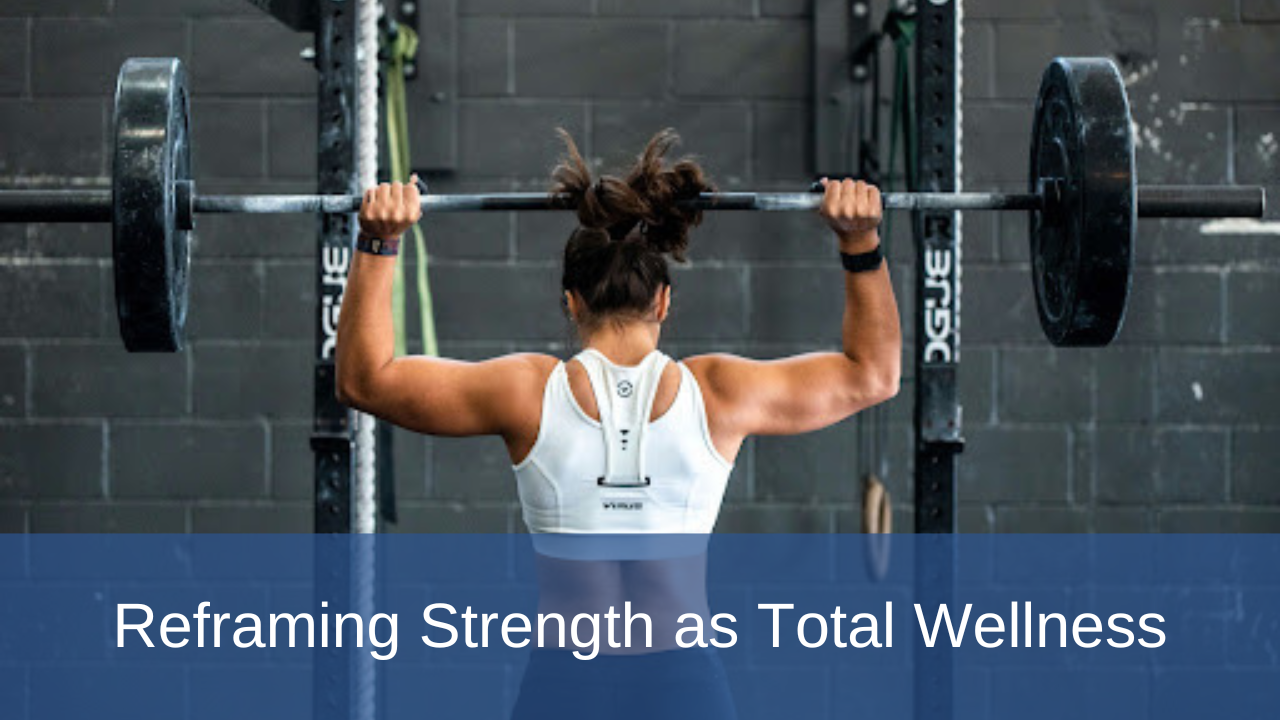
Strength isn’t just about the weight on the bar—it’s about resilience, cognitive endurance, and long-term health. For the modern professional, strength training is the ultimate “force multiplier.” Beyond the physical, resistance training is a clinically proven tool to sharpen focus, stabilize mood, and build discipline.
Physical Strength: Your Foundation for Longevity
Physical strength is the bedrock of functional performance. Resistance training does more than build muscle; it optimizes your metabolic rate and improves posture—essential for those spending long hours at a desk. By enhancing bone density and joint stability, you aren’t just training for today; you’re “future-proofing” your body against the sedentary strains of corporate life.
Mental Strength: The Cognitive Edge
Strength training is a powerful tool for neuroplasticity. Lifting weights triggers the release of BDNF (Brain-Derived Neurotrophic Factor), essentially “Miracle-Gro” for your brain.
Stress Shield:
-
- It regulates cortisol and releases endorphins that sharpen mental clarity.
Focus: The precision required for lifting weights acts as a “moving meditation,” training the brain to stay present and calm through discomfort.
Habit Strength: Building Personal Accountability
Consistency in the fitness centre translates to consistency in other areas. Showing up for a workout when motivation is low builds Executive Function—the mental process that enables us to plan, focus attention, and juggle multiple tasks. Over time, the discipline of a strength routine creates a “halo effect,” reinforcing accountability across all areas of your life.
Recovery Strength: The Art of Strategic Downtime
Instead of seeing recovery as “not working out,” we reframe it as the active phase of progress.
In the corporate world, we know that peak performance is unsustainable without strategic rest. The same applies to your body. Recovery Strength is the discipline to prioritize sleep, hydration, and mobility as non-negotiable components of your training.
The Science: Muscles don’t grow during the workout; they grow during deep sleep when growth hormones are at their peak.
The Result: Prioritizing recovery reduces systemic inflammation and prevents burnout, ensuring that your “strength” is a renewable resource rather than a depleting one.
Caroline Collins
Manager of People & Programs, Personal Trainer, Group Fitness and Yoga Instructor
Curtis Health
This article was written with the assistance of AI and verified for accuracy.
Sources
Current Sports Medicine Reports (American College of Sports Medicine).
Westcott, W. L. (2012). “Resistance Training is Medicine: Effects of Strength Training on Health.”
Frontiers in Psychology and Harvard Health Publishing
Cassilhas, R. C., et al. (2012). “The Resistance Training-Induced Cognitive Conditioning.”
British Journal of Sports Medicine (BJSM)
Northey, J. M., et al. (2018). “Exercise interventions for cognitive function in adults older than 50: a systematic review with meta-analysis.”
The Journal of Clinical Endocrinology & Metabolism
Research by the Mayo Clinic on “Exercise and Stress: Get moving to manage stress.”
Journal of Musculoskeletal and Neuronal Interactions
Dattilo, M., et al. (2011). “Sleep and muscle recovery: Endocrinal and molecular basis for a new and promising hypothesis.”