As daylight hours shrink, many people notice their energy dipping, motivation lagging, and focus fading. This is a common and natural response to seasonal changes, but the good news is that small, practical adjustments can make a big difference. With a few simple strategies around light exposure, movement, and nutrition, you can protect your energy and stay productive even through the darker months.
Let in More Light—Intentionally
Light plays a powerful role in regulating your body’s internal clock, which influences sleep, mood, and energy. When natural daylight is limited, be intentional about getting light where you can. Try to start your day near a bright window, open blinds fully, and spend a few minutes outdoors during lunch breaks if possible. Even on cloudy days, outdoor light is significantly brighter than indoor lighting. If your workspace feels dim, consider using a bright desk lamp or light therapy lamp to simulate daylight and help signal alertness to your brain.
Use Movement as a Midday Energy Reset
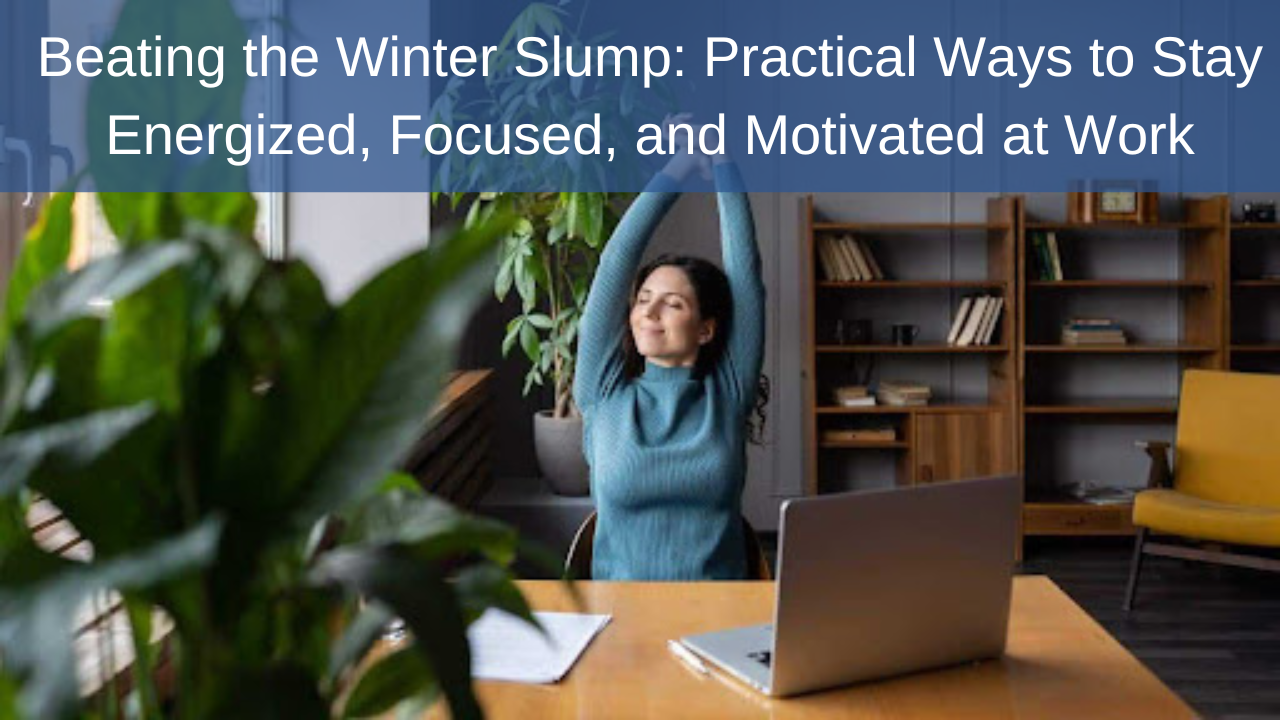
When energy dips mid-morning or mid-afternoon, your instinct might be to reach for more coffee. While caffeine can help, movement often works better. Short, frequent movement breaks increase circulation, wake up the nervous system, and reduce the stiffness that builds from sitting. Try setting a reminder every 60–90 minutes to stand up, stretch, or walk for a few minutes. Simple actions like shoulder rolls, a short hallway walk, or a quick set of squats or desk push-ups can refresh both your body and mind without breaking your workflow.
Fuel Your Body for Steady Energy
Nutrition has a major impact on how you feel during shorter days. Meals that are high in refined carbohydrates and low in protein can lead to energy crashes, while balanced meals support steady performance. Aim to include protein, healthy fats, and fibre-rich carbohydrates at each meal. Foods like eggs, greek yogurt, nuts, seeds, beans, fish, and whole grains provide longer-lasting fuel. Staying hydrated is equally important, as even mild dehydration can cause fatigue and poor concentration. Keep a water bottle visible on your desk as a gentle reminder to sip throughout the day.
Protect Your Sleep and Set Small Motivation Anchors
Shorter days can disrupt sleep patterns, which directly affects daytime energy. Try to keep a consistent sleep and wake time, limit screens before bed, and wind down with a calming routine. At work, motivation often improves when tasks feel manageable. Break projects into small, clear steps and celebrate quick wins. A short to-do list that you can actually complete will feel more energizing than an overwhelming one.
By optimizing your light exposure, adding purposeful movement, and eating to support stable energy, you can stay focused, motivated, and resilient through the darker months.
Jennica Fulton
Personal Trainer
Curtis Health