
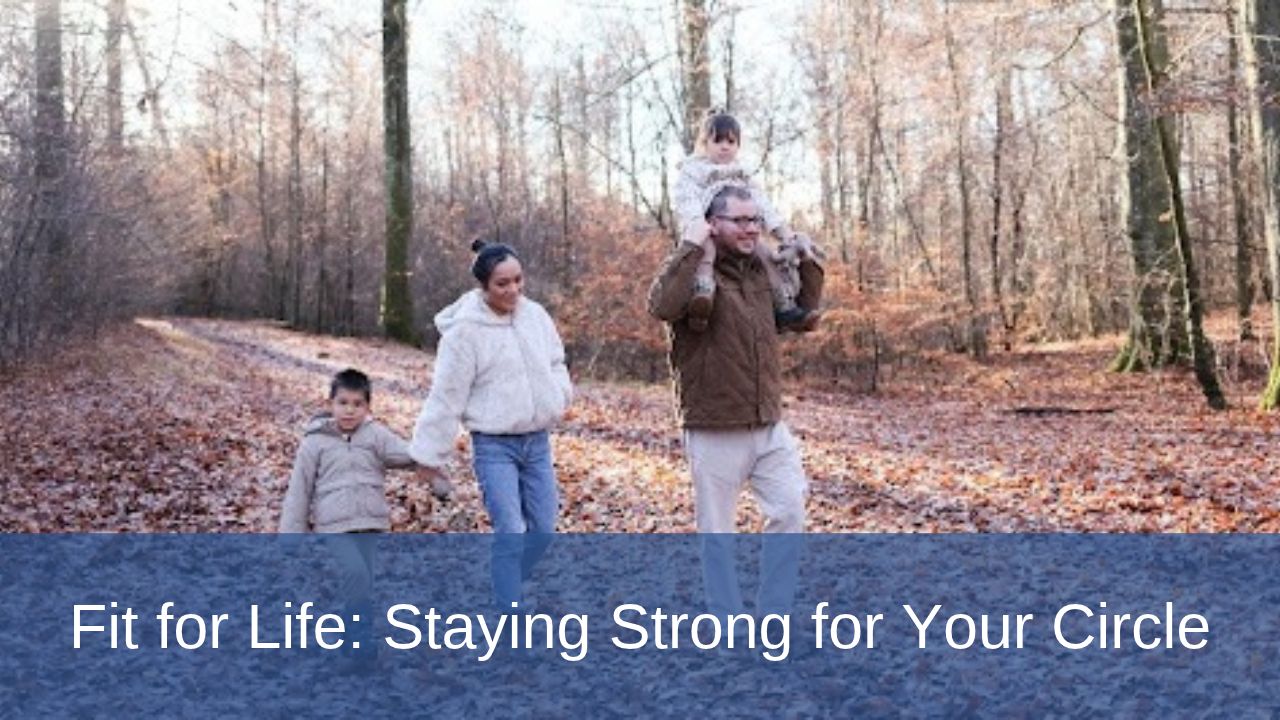
Finding it tough to stay energized for the people who rely on you most? You are not alone. Between demanding work deadlines, family commitments, and social calendars, it is easy for personal health to slip down the priority list. However, modern clinical data highlights a powerful shift in perspective: prioritizing your physical fitness isn’t a selfish act—it is an investment in your family’s future.Decades of preventative medicine and sports psychology prove that maintaining structural strength and cardiovascular health is foundational to showing up fully for your workplace and your inner circle.
Building Functional Strength for the Everyday Routine
Functional fitness refers to having the physical independence and ability to perform daily tasks with ease. Experts emphasize that strength training is vital for countering age-related muscle loss and protecting overall metabolic health.
When you prioritize regular physical training, you are building a body resilient against injury. The physiological benefits of maintaining this baseline strength include:
- Joint and Spine Protection: Strengthening your core and posterior chain (glutes, hamstrings, and back) directly prevents the chronic lower back pain associated with prolonged desk work, ensuring you can lift your children or handle home projects pain-free.
- Cardiovascular Resilience: Consistent aerobic and resistance exercise maintains healthy blood pressure and cholesterol levels, substantially lowering long-term risks for metabolic syndrome and heart disease.
- Sustained Energy Reserves: Regular movement optimizes mitochondrial function—the energy storehouses of your cells—giving you the stamina required to transition smoothly from a high-pressure workday to active evening family time.
Leading by Example: The Behavioral Ripple Effect
Public health data consistently shows that lifestyle choices are highly social. The Centers for Disease Control and Prevention (CDC) highlights that a parent or mentor’s physical activity level is one of the strongest predictors of a family’s overall health habits.
When your children, partner, or peers see you consistently allocating time for the corporate fitness center or scheduling weekend movement, you establish a baseline cultural norm. You aren’t just telling them to be healthy; you are actively demonstrating the discipline and self-care required to build a long, vibrant life.
This November, focus on health not just for yourself, but for your loved ones. Staying active and prioritizing fitness helps you keep up with family life, model healthy habits, and enjoy quality time together. Even short daily workouts, active play with kids/friends or simple weekend activities can boost energy, support long-term wellness, and strengthen family bonds.
Lina Emesayel
MBA, BCRPA Personal Trainer, Group Fitness and Fit Yoga Instructor
This article was written with the assistance of AI and verified for accuracy.
Sources:
Westcott, W. L. (2012). Resistance training is medicine: Effects of strength training on health. Current Sports Medicine Reports, 11(4), 209–216. doi.org
Centers for Disease Control and Prevention. (2023). Strategies to prevent obesity and other chronic diseases: The role of family and community environments. U.S. Department of Health and Human Services. cdc.gov
Kraemer, W. J., Ratamess, N. A., & French, D. N. (2002). Resistance training for health and performance. Current Sports Medicine Reports, 1(3), 165–171. doi.org