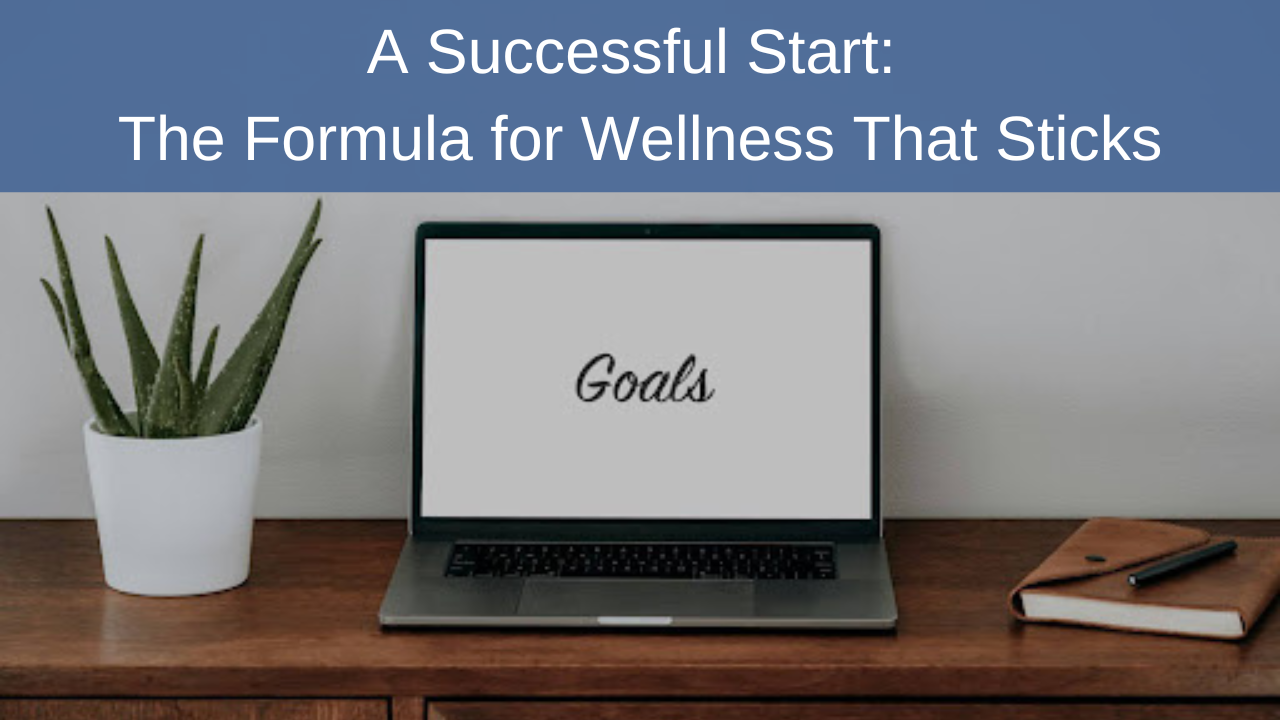
In the corporate world, we’re wired to chase results—fast. Deadlines, deliverables, and KPIs shape our days, and it can be tempting to bring that same urgency into our health and fitness goals. But here’s the truth most of us forget: when it comes to wellness, a successful start doesn’t usually look like an all-out sprint. It often looks slow, steady, intentional—and surprisingly simple.
Why Slow and Steady Wins
The most transformative wellness habits aren’t built in a burst of motivation; they’re built through consistency. Racing into a new routine with intensity may feel exciting, but it rarely lasts. Slow, sustainable progress, on the other hand, builds confidence, reduces the risk of injury while supporting long-term change—especially for high-performing professionals who already navigate demanding workloads.
A successful start might mean choosing one or two areas to focus on rather than doing everything at once. It could look like:
- Two strength sessions a week instead of daily workouts
- A 10-minute mobility break between meetings
- Swapping one afternoon coffee for a hydration break
- Setting a bedtime notification instead of starting a morning routine overhaul
Small steps aren’t signs of low ambition—they are the foundation of strong, lasting habits.
Harmony Over Balance
We often hear about “work-life balance,” but balance implies a perfect 50/50 split—an ideal that rarely exists. Harmony, however, is fluid. Harmony allows movement between work, wellness, rest, and connection based on what each season of life demands.
Encouraging harmony means inviting wellness to weave naturally into your days instead of forcing it into rigid boxes. Think of it as:
- Taking a mindful breath before a presentation
- Walking during a 1:1 check-in
- Using your lunch break to stretch, not multitask
- Allowing yourself recovery after a busy period rather than trying to “push through”
When we strive for harmony, we create a lifestyle where wellness is not another item on the to-do list—it’s part of our rhythm.
The Formula for Wellness That Sticks
While everyone’s path is unique, there are a few guiding principles that reliably support long-term well-being:
1. Start With Awareness
Before changing anything, notice your current patterns. How do you feel mentally and physically? What habits are working? Which ones drain you? Awareness guides intentional action.
2. Set Simple, Doable Goals
Choose small goals that fit your life right now—not the ideal version of life where you have more time, more energy, or fewer commitments.
3. Anchor Your Habits
Pair new actions with existing routines—after morning coffee, before shutting down your laptop, or at the top of each hour. Anchoring habits makes them stick.
4. Honour Recovery
Rest isn’t a luxury; it’s part of the formula. Prioritizing recovery reduces burnout, supports mental clarity, and strengthens physical results.
5. Build a Support System
Whether it’s colleagues joining a class, walking groups, or onsite fitness resources, accountability creates momentum. Community reinforces commitment.
Creating a Lifestyle, Not a Project
Wellness shouldn’t feel like a temporary project that ends once a goal is achieved. It’s a lifestyle built on small choices that accumulate over time. When we embrace a slow and steady approach and replace “balance” with harmony, we give ourselves permission to evolve—with less pressure and perfectionism.
A successful start isn’t about doing more; it’s about doing what matters most, consistently. And when we begin this way, our habits don’t just last—they elevate our wellbeing, our performance at work, and our quality of life.
If your organization is ready to support employees with a wellness formula that truly sticks, we’re here to help guide the journey—one steady, meaningful step at a time.
Caroline Collins,
Program Manager
Curtis Health