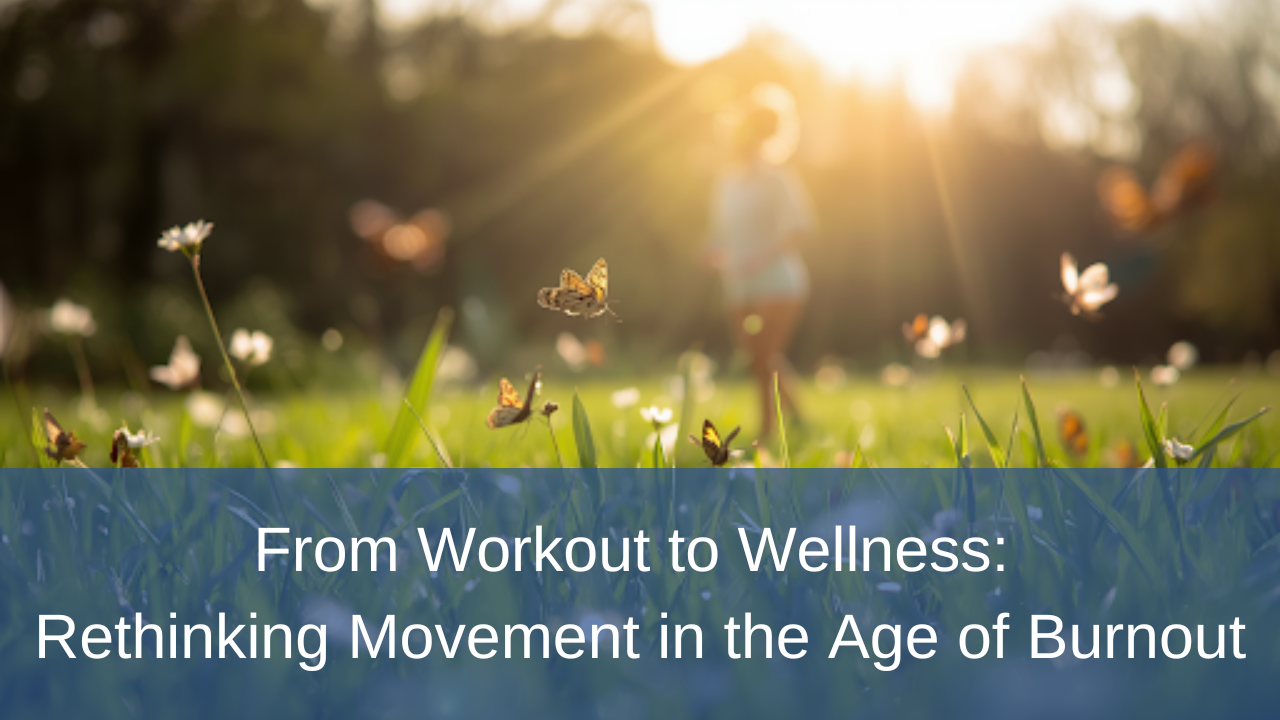
Sometimes, “more” is not the solution. For those navigating depression, anxiety, or workplace burnout, the traditional “no pain, no gain” mantra can be counterproductive. To truly utilize movement as a pillar of wellness, we must approach fitness with intentionality and self-compassion.
Rethinking the Approach
- Beyond the Fitness Centre: We should shift toward integrating movement into the rhythm of daily life rather than viewing it solely as an isolated, high-pressure chore.
- The Power of Green Space: Moving outdoors isn’t just a change of scenery. Research suggests that “Green Exercise” can help support a healthy stress response by lowering cortisol levels and improving mood.
- Proactive Health Maintenance: Modern wellness emphasizes building physical resilience—using movement to maintain function and well-being before issues arise.
- Individual Adaptability: Movement should be tailored to your current energy and mental state. During periods of high stress, restorative movement like yoga or stretching may be more beneficial than high-intensity training.
The Evidence-Based Benefits of Movement
Regular, intentional activity serves as a foundational lifestyle tool with systemic benefits:
- Neurochemical Support: Physical activity naturally boosts dopamine and serotonin levels, which are key factors in emotional regulation and focus.
- Systemic Wellness: Consistent movement supports cardiovascular efficiency, helps maintain healthy insulin sensitivity, and assists the body in managing inflammation.
- Long-Term Vitality: According to the Canadian 24-Hour Movement Guidelines, meeting physical activity recommendations is associated with a lower risk of mortality and over 25 chronic conditions, including heart disease and type 2 diabetes.
Key Shifts in Thinking
| From This… | To This… |
| Exercise as Punishment | Movement as Nourishment |
| Fixing an Injury (Reactive) | Building Resilience (Proactive) |
| Pushing Through Pain | Using Pain as Information |
| Structured Workouts Only | Valuing All Activity (Gardening, Walking) |
Conclusion
For many, a compassionate approach to movement is a powerful, non-pharmacological way to improve quality of life. However, the most important factor is individuality. What works for a high-performance athlete may not be what your body requires during a period of stress, grief, or burnout. As fitness professionals, we look at the individual to find the movement patterns that support their unique needs and goals.
Sources
- British Journal of Sports Medicine (BJSM)
- International Journal of Environmental Research and Public Health
- Canadian Society for Exercise Physiology (CSEP)
******************************
MaryAnna Robbins CSEP-CPT, OFC RHEP – Group Exercise, Resistance Trainer, Aqua Fitness, Yoga Fitness, Pilates Mat Fitness
* This blog/article has been written with the assistance of AI