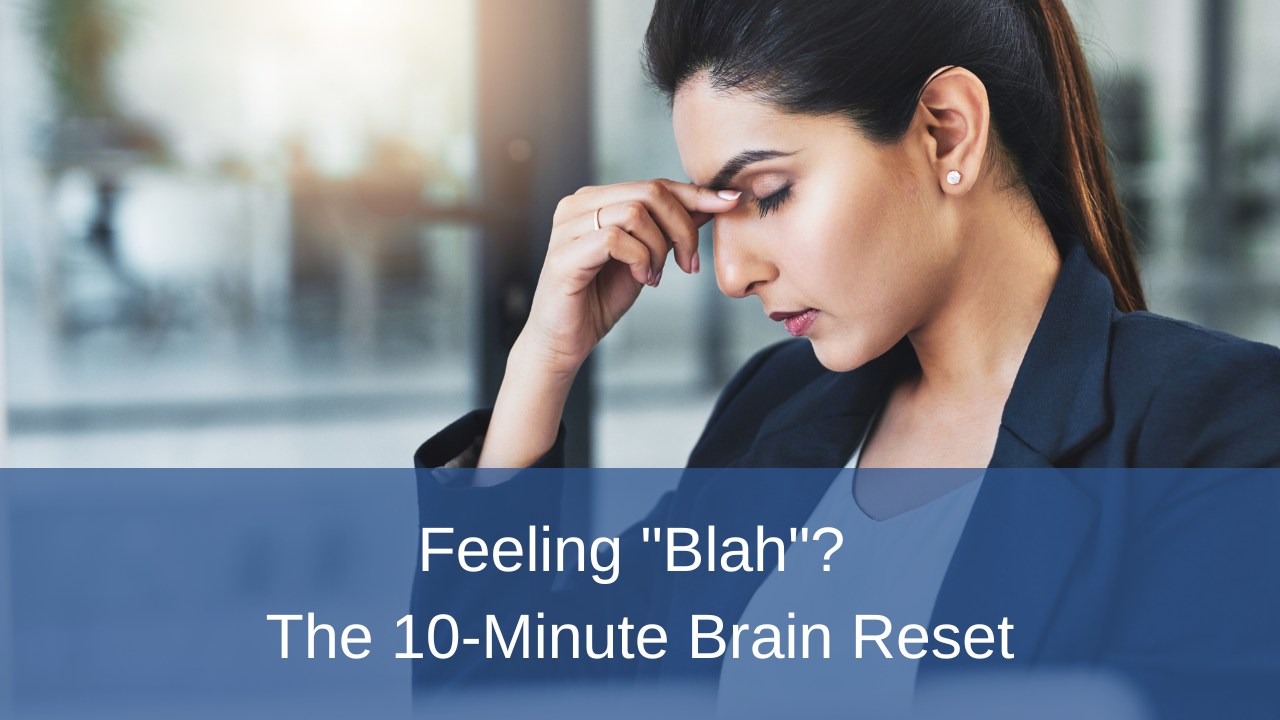
We’ve all been there: the alarm goes off, and before your feet even hit the floor, you’re mentally scrolling through a mounting to-do list. By 2:00 PM, the “brain fog” has set in, and your productivity is plummeting. When we’re stressed, our instinct is to sit still and grind through it. But the secret to feeling better isn’t at the bottom of a coffee mug—it’s in your muscles.
The “Internal Pharmacy”
Your brain is essentially a chemical factory. When you sit for long periods under stress, your body accumulates cortisol—the “stress hormone.” High levels of cortisol lead to that jittery, anxious feeling or, conversely, a sense of total exhaustion. Movement acts as a natural reset switch.
When you get your heart rate up—even slightly—your brain begins to dispense a cocktail of “feel-good” chemicals:
- Endorphins: Your body’s natural painkillers that mask physical discomfort.
- Dopamine: The reward chemical that helps you feel motivated and capable.
- Serotonin: The mood stabilizer that helps you feel calm and emotionally grounded.
The 10-Minute Rule
You don’t need a marathon to change your chemistry. Research shows that just 10 minutes of brisk walking can significantly improve mood and lower anxiety levels. It’s not about fitness results; it’s about a physiological “reboot” that clears the slate for the rest of your day.
The Curtis Health Challenge:
Today, don’t wait until you’re too exhausted to move. Set a timer for 10 minutes, step away from your desk, and take a brisk walk around the block. Notice how your internal “weather” changes. Want more tips on micro-movements? Reach out to your Curtis Health on-site coordinator today!
Written by Tim Hawke with assistance from AI
Sources:
- Harvard Health: “Exercise can boost your memory and thinking skills”
- Experimental effects of brief, single bouts of walking and meditation on mood profile (PMC6064756)