A personal training client wanted to ride his bike to work twice a week and once on the weekend. When I asked how the cycling was coming along, he threw his hands in the air and listed all the reasons why it wasn’t happening:
Too many clothes to carry
Too hard to get to work on time;
Kept forgetting lunch at home;
And my favourite; the ride is too short to get in shape (about 15 to 20 minutes each direction)
If you need some organization solutions, try this plan:
Leave at the same time for work every day, 20 minutes earlier than now, then there will be no thinking or confusion and you will have an extra 20 minutes to yourself on driving day.
Ride every Tuesday and Friday, no matter the weather (this will make it happen).
On Monday and Thursdays when you drive to work take a complete set of work clothes, a towel and a bag of toiletries for you to use on ride days and leave these at your workplace.
On Monday and Thursdays bring 2 lunches and leave one in the fridge for the next day.
On Wednesdays bring home any wet towels or work clothes still at the office.
And addressing my favourite roadblock, the short ride not being enough; on the ride home take a longer route or add on a loop close to your house.
Pick one day and time on the weekend to go for a long ride. That is it. Just pick the time and do it. Work your errands and other responsibilities around those 90 minutes. Get up earlier, turn the ride in to social or family time or just say NO to other plans and do it.
Sometimes we are so busy solving work challenges we need a little help with solutions for our own health and well-being. Curtis Health Personal Trainers can help with accountability and solutions to help you meet your fitness goals.
Time is ticking. You rushed over to the gym during your lunch break and you are motivated to get a challenging workout in before the hour is over. Your energy level is high and you are mentally focused. You consider skipping your warm up and getting into the intense stuff from the get go.
Don’t skip your warm up. Ever.
What’s the point of the warm up anyway?
The warm up is important because it increases blood flow to the working muscles and prepares the body for intense exercise by increasing breathing rate and lubricates the body’s joints, which decreases the risk of injury. Whether you are a beginner, an avid exerciser or a seasoned athlete it is beneficial to incorporate a warm up before cardio exercise, resistance training or flexibility movements.
How to warm up
Start with a general warm up of 5-10 minutes of light aerobic activity that is low impact and low intensity. Aim for 40-50 percent of your heart rate maximum*. From a scale of 1-10 (1=very easy; 10=very hard), aim for a constant 3. *Heart Rate max = 220 – your age
Move on to a Specific warm up of 2-3 sets which precedes your working sets. Typically, warm up sets will mimic the exercise to be performed during the working sets. Ex. warming up with bodyweight squats before performing barbell squats. Aim for 50 percent of your 1 repetition maximum. (Not sure how to calculate your 1 repetition maximum? Here’s a helpful formula)
Repetition Maximum = W x 1.44
W = This is the weight lifted in pounds (lbs) for a set of 12 repetitions to fatigue
**formula based on Brzycki 12 RM submaximal method
So take 5-10 minutes at the beginning of your workout to prevent injury.
For more warmup guidelines or ideas, talk to your Curtis Health coordinator!
Movements occur as a result of many muscles working together. Thus, it makes sense to train movement patterns and not muscles. Movement pattern If we were to only focus on our “problem areas” we would create instability and ultimately injure ourselves because some muscles would become more developed than others.
Movement pattern training, also called functional training, has many benefits including enhanced coordination and balance. It helps to prevent injuries by ensuring that our workout plans are balanced and makes us focus on all major muscle development. This in turn helps with muscle and strength gains over time.
Movement pattern training are multiple-joint movements and include such actions as squatting, lunging, pushing and pulling, which are the most common movement patterns you engage in throughout your day. The following section describes the most common movements typically used along with exercises that fit these patterns.
Push
Pushing patterns focus on pushing weight away from your body which can either result in a horizontal push or a vertical push. A horizontal push is pushing weight away from you horizontally, such as a dumbbell chest press, and typically emphasizes the chest muscles, shoulders and triceps. A vertical push, which is pushing weight away from you vertically, such as dumbbell shoulder press, tends to put the emphasis on your shoulder muscles.
Exercise examples: pushups, barbell shoulder press, dumbbell incline press, military press, and dumbbell chest press
Pull
Pulling motion, which is the opposite of pushing pattern, focuses on bringing the weight in towards you and usually engages your back muscles. There are two types of pulling movements: a vertical pull and a horizontal pull. An example of a vertical pull is a pull-up, which is a very effective exercise for developing your back muscles, and also engages your shoulders, biceps, and even your core. A single arm dumbbell row is an example of a horizontal pulling motion.
Exercise Examples: Pull ups, dumbbell row, seated row, bent over row
Squat
We use squats often in our daily lives such as squatting in and out of a chair. A squat is a movement pattern where both your feet are planted on the ground, chest is up, lower back is straight and you bend your legs to lower your body down. The movement is primarily happening at your hips and knees and a basic squat is a knee-dominant pattern that requires coordination of your knees, hips and ankles with a relatively upright spine to perform the movement correctly. The most common reason why people have trouble squatting is because of tight hip flexors or tight calves.
Exercise Examples: Barbell squats, front squats
Lunges
A lunge is single leg exercise movement that requires one leg to step forward and bend while the other leg remains relatively stationary. A lunge is any time you have a split stance in your movement and occurs even when we do basic movements like walking or running. A lunge requires balance, strength and flexibility. It is a dynamic exercise because you can lunge in any direction with both legs forward, backwards and sideways. To add resistance you can hold dumbbells, barbells or even sandbag on one shoulder to engage the core to a greater degree.
Hope you enjoy the read and try incorporating movement patterns into your workout routines! Contact personaltraining@curtishealth.com to see how a Curtis Health trainer can help you incorporate movement patterns into your routine.
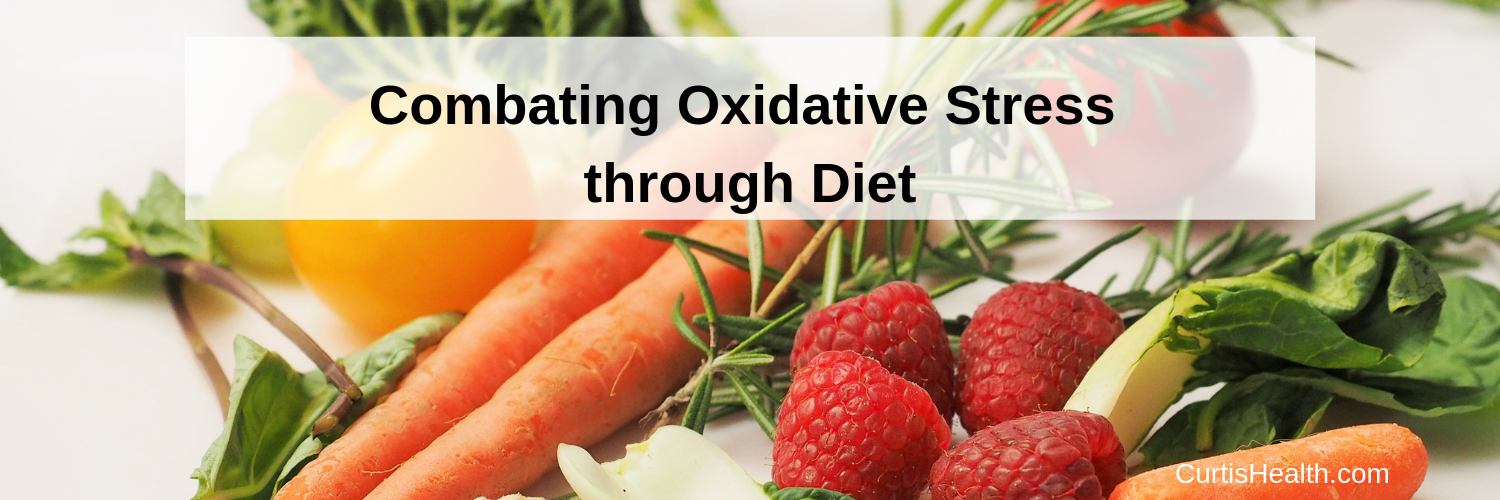
You hear the words all the time. Free radicals, oxidative stress, disease. What exactly does it all mean and what can I do to combat it?
Oxidative Stress:
The body’s inability to counteract the harmful effects of free radicals in the body. An imbalance between the production of free radicals and the body’s ability to counteract or detoxify their harmful effects, thus contributing to cellular damage. Oxidative stress is thought to play a role in many diseases and neurodegenerative disorders.
So, what are free radicals then?
Free Radicals:
The free radicals we are speaking of are oxygen containing molecules that contains one or more unpaired electrons, making them unstable and highly reactive. These unstable oxygen molecules interact with other cell components and steal their electrons in order to become stable. This situation sets off a chain reaction of the now unstable cell component molecule to stealing an electron from another molecule. Free radicals typically alter lipids, proteins and DNA, damaging the cells and contributing to many diseases.
What generates free radicals?
Free radicals are natural by-products from chemical reactions in the cells. Contributing factors are refined processed foods, pollutants in the air, alcohol, tobacco smoke and pesticides.
How can we fight back against these free radicals?
Antioxidants:
Antioxidants keep free radicals in check. Antioxidants are molecules that prevent free radicals from stealing molecules and causing damage by giving an electron to a free radical without destabilizing itself. That’s pretty cool! Antioxidants neutralize free radicals and reduce oxidative stress in the body. Just like fibre helps to clean up waste from the intestines, antioxidants clean up free radical waste from the cells!
Best Sources of antioxidants:
Think bright colored fruits and vegetables along with raw nuts and seeds. These foods help build up immunity and decrease inflammation caused by free radical damage.
Sweet cherries, raspberries, cranberries, blackberries, strawberries, blueberries, pecans, walnuts, prunes, green tea, red and green peppers, brussel sprouts, tomatoes, raw nuts and seeds are foods high in antioxidants. Other important vitamins, minerals, carotenoids and flavonoids that support our immune system and help combat free radical damage are vitamins A, C, E, selenium, quercetin, lycopene and beta carotene.
Below is a limited list of good sources of each of the above; however, eating a variety of brightly colored fruits and vegetables, along with regular exercise, quality sleep and stress coping tools are all key to a healthier you!
It’s January, the time of year when people start asking you, “So, what are your resolutions for 2019?”. Ugggg!
You know the statistics; By the 2nd week in January most resolutions have been broken, by February the gym is quiet again and by March most people can’t even remember what their resolutions were.
January can be a great time to reflect on what’s important to you, and where you would like to make some changes. It should be a positive experience with enthusiasm for the outcome.
Goal setting is about aiming for success, not setting yourself up for failure.
Weather it is to learn a new activity, travel more, volunteer, lose some body fat, gain some muscle mass, add yoga to your routine, breath more, eat more whole foods, add more leafy greens to your day, decrease your sugar intake, drink one less coffee a day, be mindful when eating, cut down on alcohol consumption, discover better stress coping mechanisms or smile more often, all goals should be based on the S.M.A.R.T. principle
Specific – Be specific, goals should be clear and distinct. Write them down.
Measurable – How will you know when you have been successful? What is the criteria?
Attainable /achievable – Set yourself up for success. Be realistic with what you can achieve.
Realistic and relevant to you and your life. Are you able to commit to the goal?
Timely or time based – Each goal should have a completion date or timeline.
Remember SMALL changes can make HUGE differences.
Give the goal(s) some thought. Is it really important to you? How will it make a difference in your life? Write it down and then edit it.
Plan:
If you are eliminating something from your diet or lifestyle, what healthier choice could you replace it with?
If you are starting something new where do you see it fitting into your schedule?
Should you hire a professional in that field to support and guide you?
When do you expect to feel/see the benefits?
Can you afford it? Can you afford not to do it?
Making S.M.A.R.T. goals adds motivation, gives you direction, organization and a timeline.
Set yourself up for success in 2019!!
Happy planning and remember the Curtis Health Team is here to assist you. Be accountable to a Curtis Health Team member and we will cheer you on!
Holiday season is upon us and along with joyous festive events comes the challenge in keeping a healthy YOU. Less time to meal prep, tempting goodies all over the office, social outings, alcohol and less time for exercise. This is not a good combination for staying healthy.
Below are some tips for managing the next 4 weeks and entering 2019 feeling fabulous!
Eat a healthy snack or meal BEFORE you head to that party. A satiating bowl of homemade chili or hearty soup can curb the temptation for goodies.
Make a healthy dish to take to the pot lucks. Bringing a red pepper hummus and vegetables to dip, spicy homemade nuts, or vegetarian chili means that you know there will be something that you can eat. This is especially important if you are on a restricted diet, vegan, vegetarian, celiac or gluten intolerant.
Be aware of alcohol consumption: Have a glass of water or sparkling water between each alcoholic cocktail. This will help you to decrease the amount of alcohol you consume and it helps keep you hydrated. Or better yet, volunteer as the designated driver. This can mean a lot fewer calories (sugar) and a better morning! J Often food choices have a direct correlation with the amount of alcohol we consume.
If you are suffering from digestive issues try having some apple cider vinegar or lemon water about 10 to 30 minutes before you eat. You can take a TBSP of ACV on its own or put it in a glass of warm water. Both ACV and lemon water aid in digestion.
Plan ahead and use a slow cooker or crock pot for your meals. That way you can be out shopping and come home to a hearty ready to eat meal.
Ensure you are getting quality sleep. Incorporate a sleep ritual which prepares you for the 7-9 hours recommended to support healthy immune and nervous systems. Turn off the screen time an hour before bed as EMF can disrupt sleep.
Eat foods that support your immune system. Stress and a busy lifestyle can challenge our immune system. Incorporate garlic, onions, ginger and turmeric into your meals as often as possible. Start your day with warm lemon water with ginger and turmeric. Add fermented foods like kimchi or sauerkraut for healthy gut flora. Red peppers, citrus and berries for Vitamin C and antioxidants. Spinach and broccoli raw or lightly steamed to get the most from their packed nutritional value.
Eat foods that support your nervous system and limit stimulant intake. Almonds, walnuts, poppy seeds, pumpkin seeds, kelp, leafy greens, cold water fish, ginger and basil are a few ‘nervine’ foods. Snack on some raw almonds, walnuts, pumpkin and sunflower seeds. Replace coffee with green tea to decrease coffee consumption and increase antioxidants.
Exercise! Don’t miss out on your exercise routine. It may have to alter slightly but if you plan ahead and schedule your workouts they are less likely to be missed. Exercise can be a great stress coping mechanism. Do low intensity if feeling especially stressed and ensure a post workout stretch, relaxation and rehydration.
Incorporate realistic stress coping strategies. Your usual stress management routines may not be feasible at this time of year. Find moments for down time, deep breathing, walking in nature, gratitude journaling and ‘me’ time. Keeping a positive attitude is proven to decrease the negative effects stress can have on your health.
If you need more individual assistance please contact me.
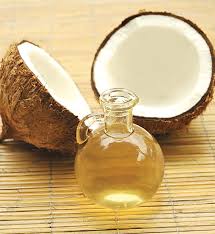
Do we have a final verdict on the health benefits of coconut oil?
Recently, some companies have used coconut oil as the new superfood ingredient in their products as a selling point. But, how good is coconut oil for us?
Potential health hazards of coconut oil are that 92% of its chemical structure is classified as a saturated fat, even higher than butter, and could thus lead to elevated cholesterol levels.
Most of the health benefits attributed to coconut oil are associated with its high content of medium-chain fatty acids (MCFAs). The primary MCFA in coconut oil is lauric acid which mimics healthy unsaturated fats, such as olive oil and fish oil, by boosting good HDL cholesterol.
Reducing dietary fat has been a goal when it comes to reducing the risk of heart disease. However, this is changing and fat can no longer be viewed as the major culprit leading to cardiovascular disease.
Results of a meta-analysis published in the American Journal of Clinical Nutrition in 2010 showed that there is no significant evidence that dietary saturated fat increases risk of coronary heart disease. The analysis covered 21 studies involving 347,747 people.
A scientific report released in February 2015 by the American government’s influential Dietary Guidelines Advisory Committee stated that “available evidence shows no appreciable relationship between consumption of dietary cholesterol and serum cholesterol and that “dietary advice should put the emphasis on optimizing types of dietary fat and not reducing total fat.”
Interestingly, the Committee also reported that low-fat diets, where fats are often substituted by refined carbohydrates, were associated with high elevated cholesterol levels.
The fact is that coconut oil is very energy dense but, unlike other oils, it does not provide any additional vitamins or polyphenol antioxidant compounds like the ones found in olive oil.
The final verdict for now is that there is not enough scientific evidence to promote the use of coconut oil over other oils. Consuming fats in moderation and limiting consumption of saturated fat to 10 percent of total calories is our safest bet while keeping an eye on upcoming research.
Bettina M.
Registered Dietitian, Certified Health & Wellness Coach
The first fitness to music class I ever attended was “Disco-Fit” in 1979. I thought I had died and landed in Exercise Heaven. How could anything be more wonderful than sweating to blasting music with a bunch of other people? Imagine my shock when the teacher asked me if I was interested becoming an Instructor. WHAT? You are going to PAY me to jump around to music and get fit and sweaty. Count me in! Of course there was a lot more to it, interesting stuff about energy systems and heart rates and balancing muscle groups.
You must be thinking I am in a care facility by now but NO, at almost 60 years old I am still teaching Fitness to Music classes. I am not alone, there are other people I work with even older than I am. Can you believe it? 60 really is the new 40 because in the early 80’s there were some “older ladies” that could not keep up to our fitness class so we “invented” a class for these aging almost seniors (in our minds) that did not include jumping. I thought these ladies were really old and out of shape. The class was called 40 plus. Can you believe it? We thought 40 was very old to be sweating to music. Read More→
Although we designate this time of year for celebration, the holidays can also take their toll on physical and emotional health. Here are some tips to help you have a healthy and happy holiday season.
Stay Active. Holiday parties, relaxed work schedules and cold weather all lead to excuses for skipping workouts. Schedule your workouts and even take advantage of the season. Sledding, ice skating and just running around snow are great ways to stay fit!
Prevent Illness. Tis’ the season for colds and flu. Remember to wash your hands regularly (especially before eating), stay hydrated and ensure your diet includes immune system boosting foods like cruciferous vegetables.
Safety First! Winter weather means icy surfaces. Slow down and ensure proper footwear to reduce the chance of a fall.
Mindful Travelling. Prepare for long lines and inclement weather. Give yourself plenty of time to get where you’re going to reduce the stress of arriving late.
Reduce Stress. Practice daily mediation and stretching, and add a weekly yoga class.
Practice Kindness. The holidays can be especially challenging for friends and family who suffer from depression and seasonal effective disorder. Take an active and positive role in the lives of people who may need your help.
Take Care of Yourself. The holidays are all about giving, but be careful not to over extend yourself. Treat yourself to simple things – a mid day nap or the pumpkin spiced latte you’ve been craving.
Have a happy and healthy holiday season from your friends at Curtis Health!
It’s that time of year again! Holiday parties, meals and the inevitable weight gain that leads to a New Year’s resolution to lose the extra pounds you packed on are rapidly approaching.
This year, arm yourself with some simple tips and take a healthier approach to how you eat during the holiday season.
Control portions. You don’t have to deprive yourself. Your favorite foods are still delicious even if you eat less of them. Take the time to enjoy every bite knowing there won’t be an endless supply.
Think ahead. Have something healthy to eat before you go for the bad stuff. You’ll be more satiated and less likely to turn low-blood sugar into a high-calorie bonanza.
Be mindful. Are you distracted while eating? While talking to your co-worker at the holiday party, did you count how many bites of cake you took?
Embrace technology. With so many free apps and websites available, we can manage food diaries, count calories and even get tips on healthy food choices.
With these simple tips, you can avoid the dreaded holiday weight gain. Best of luck and happy holidays from your friends at Curtis Health!
Your credit card will be automatically charged each month through Square.
Commitment & Cancellation
There is no long-term contract.
You may cancel your subscription by contacting us directly. Please allow 5 business days for processing prior to your next billing date to avoid additional charges.
As our class schedule is organized on a monthly basis, partial months will not be refunded or pro-rated.
Your subscription is for your individual enjoyment only. Please do your part to ensure appropriate use of our content.
Curtis Health Is Partnering With Kintec: Footwear + Orthotics
Kintec is offering all Curtis clients (including friends and family) expert shoe fitting to best suit your needs at a 15% discount on regular price footwear.