Below is a review of the Carrot Rewards App from our very own Laurie B.
Laurie is a Fitness Professional, not a millenial and self proclaimed “technologically challenged” person. She “gets” this app, you will too….
This is a FREE healthy lifestyle website and/or APP made in conjunction with the Province of B.C. You register and choose the partner you want to earn points with, such as your SCENE card toward free movies. You get a nice welcome bonus and then 10 or more points per play.
Short, informative questionnaires are available to answer every few days that teach you about nutrition, activity and other healthy topics. Although I am a Personal Trainer I have learned a few interesting facts and I can see the level of knowledge expected from the general public.
I have not tried the STEP feature, but one is available, and they offer prizes and challenges. Recommended for general engagement in a healthy lifestyle.
I like the app because they send messages to play, but not too many messages and the topics vary quite a bit. (I like points and just went to a free movie thanks to carrot rewards – it was Ocean’s 8 in case you want to know)
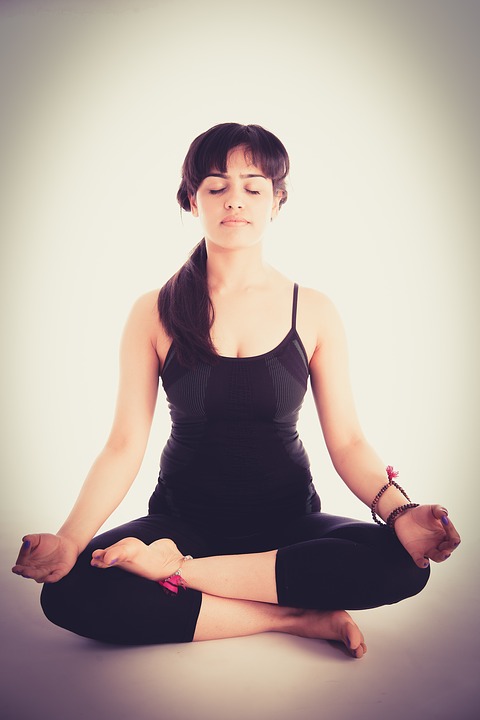
Research suggests that exercise that includes strategically timed introspective moments is powerful in boosting your mood, improving your enjoyment of the workout—even making your brain healthier. Whether it’s choosing an inspirational playlist to listen to while lifting weights, reflecting on gratitude while hiking or injecting your run with positive self-talk, there’s a good reason mind and body co-exist more often in current workout trends. However, adding a mindfulness component to a fitness practice is more than a buzzy trend. It’s a game changer
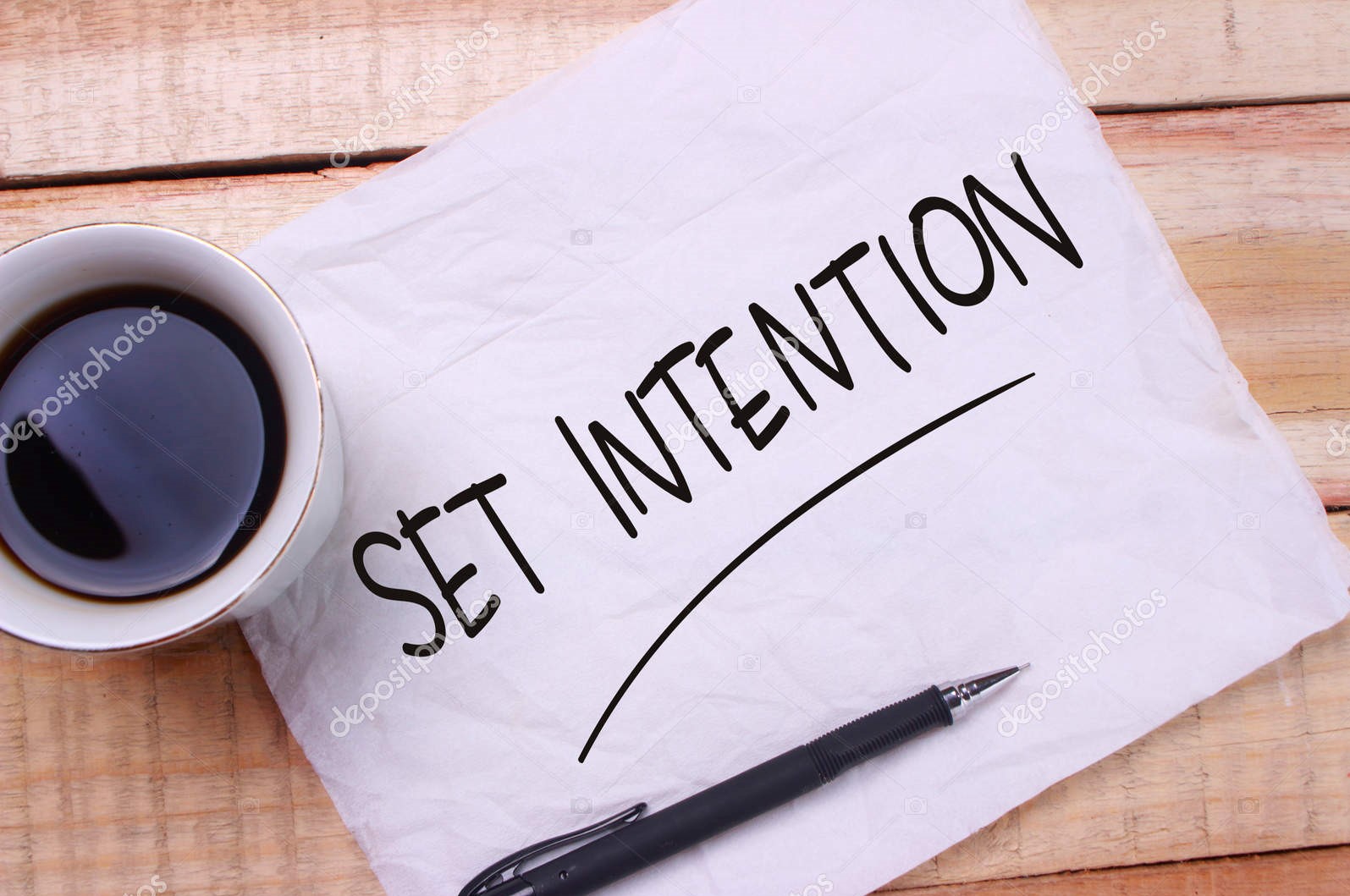
It can be helpful to set an intention for why you are working out to begin with. Is it to have more energy? Lose weight? Get stronger? Live longer? Improve your mood? When the going gets tough during your workout, you can then remind yourself of your original intention. Having an intention for your workout can also add meaning and focus to what you are doing.
For optimal results, making a mind-muscle connection is key. Mind-muscle connection is a term used to describe the focus on the muscle being used and consciously placing intention behind the movement. In order to have proper control over your body, you must create and maintain neurological pathways. This takes time and focus, but will soon become habit. Without making a conscious connection to the muscles you are working, there is more reliance on momentum, putting stress on your tendons and ligaments. If you find it challenging to make a connection to a muscle while doing weighted exercises, try lowering the weight, slowing down the movement and avoiding any swinging or bouncing.
The heart is the most important muscle in your body. And just like any other muscle, your biceps for example, you need to work it to keep it strong!
Herein lays the reason to get up, move your body, and exercise for Heart Health benefits!
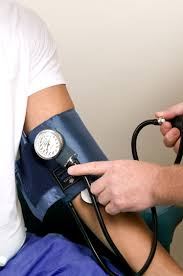
When your heart beats, it pumps blood around your body, transporting oxygen & energy where it is needed. Pressure from the heart beat is needed to make blood circulate – this pressure of blood flow causes resistance against the walls of your blood vessels and is considered your blood pressure!
A healthy heart pumps blood around easily, at a low pressure against vessel walls. Blood pressure readings at or below 120/80mmHg is considered good low blood pressure. High blood pressure means that your heart must pump harder and there is an increased resistance on the blood vessels. Having a blood pressure reading at or over 140/90mmHg puts you in a high risk category, and should be treated to lower those numbers.
Think of your blood vessels as a garden hose. If you block an end of the garden hose with your finger, the pressure of water inside the hose increases. This is similar to how blood pressure is affected by a blockage or narrowing of the blood vessel. If there is increased stiffness or narrowing of the blood vessel itself, there is a smaller “tube” for the heart to pump the same amount of blood through and an increase in pressure!
We need to be proactive in ways to maintain good heart & blood vessel health. Lifestyle plays a major role in managing your blood pressure. If you can successfully control your blood pressure with a healthy lifestyle, you might avoid, delay, or reduce the need for medication!
In this grand spectrum of “Healthy Living”, is exercise. Exercise, more specifically cardiovascular exercise, is known to improve the strength of the heart and decrease the stiffness of the vessels. A stronger heart can pump blood more efficiently! Cardiovascular exercise is considered any form of aerobic activity – walking, running, cycling, fitness classes, etc.
Canadian guidelines suggest at least 150 minutes (equates to 30 minutes 5 times per week) of aerobic exercise accumulated per week!
That being said, resistance training is also known to decrease blood pressure! Stronger postural muscles help in keeping blood flowing throughout the body.
So, what are you waiting for?! Keep it simple – even a 15 minute walk around the block twice in your work day will help decrease your blood pressure & heart disease risk!
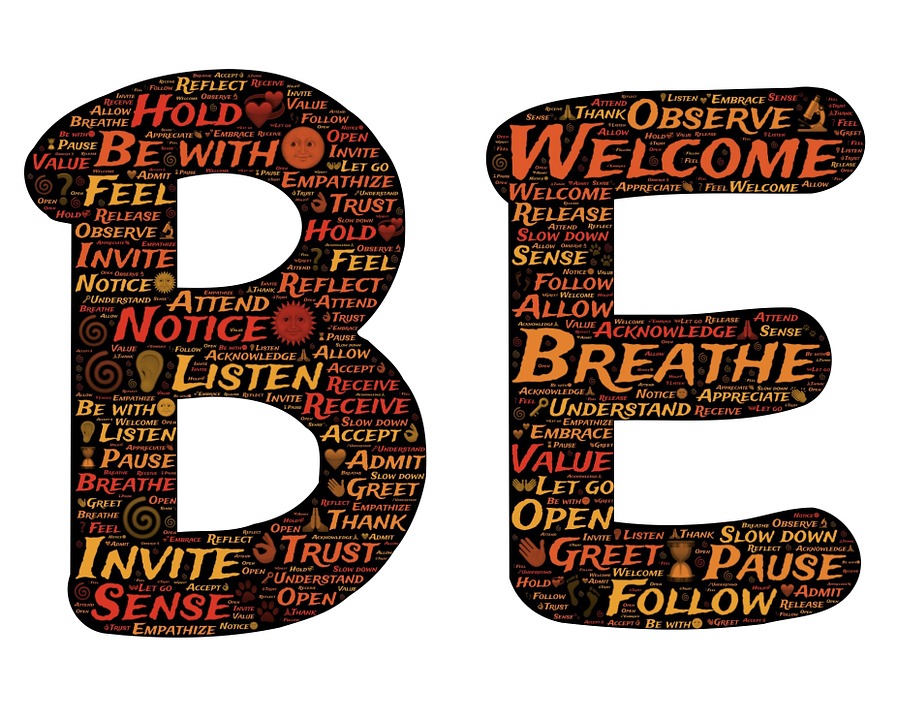
Our breath is one of our most powerful tools for mindfulness, as well as for fitness. When you’re at peak exertion during a workout and think you can’t do it anymore, deepen and bring awareness to your breath. It will lessen your perception of work and help get you through. In terms of mindfulness, your breath is something that is always available to you and will always bring you into the present moment. During your workout, keep checking back in with your breath. Use it as a reminder to come back into your body if your mind wanders off.
People often refer to being “in the zone” when they work out. This is a sense of being completely present while slowing down the working of the mind. It’s about synchronizing body and mind and holding an open awareness—an awareness that is natural to us, but often gets clouded over by busy thoughts
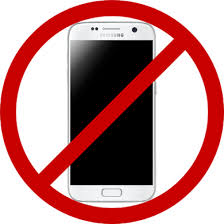
Use your workout as a break from the distraction of your phone. Give yourself the time and space to be fully there, dedicated to that workout. You deserve it! Avoid multitasking. Your workout will suffer if you’re answering emails or texts, on social media, or even just giving in to the urge to frequently check your phone.
Correct posture allows your body to function at its best during any given exercise. During your workout, utilize tools – such as mirrors, a workout partner or a Curtis Health professional – to ensure your body is properly aligned. Every move you makes creates a domino effect through your muscles and joints, this is a concept known as The Kinetic Chain. Performing an exercise with proper posture ensures you are functioning optimally and significantly lowering your chance of injury. This not only furthers your progress, but can also lessen muscle and joint pain during your regular daily activities. It seems like a lot to think about but with practice, this will soon become second nature!
Everyone at some point or another has experienced symptoms of stress. Stress is a word we use to describe both how we feel and what is happening around us. There are many levels of stress, both positive and negative. Some of the positive stresses include the anticipation of an exciting event, the pursuit of a goal, or even a challenging workout. Some of the negative sources of stress include the heavy pressures we can feel from the outside world and those we place on ourselves.
Why do we stress?
While we relate to the symptoms and triggers of stress, understanding what is happening on a physiological level is an important piece in better managing stress. Let’s take a closer look at the purpose of stress. Stress is a survival response. It is a programmed instinct to survive in the presence of danger. This is a valuable and necessary trait, but issues arise when this response is over productive, causing our health to suffer.
Our world has changed immensely over the course of human history. Our physical survival is not threatened the way it was thousands of years ago. However, our physiological response to stress remains the same.
Unfortunately, today’s high pace creates an onslaught of potential stress triggers. While we may consider stress a part of life, the fact remains that our physiology doesn’t understand the difference between some of these triggers and a life threatening situation.
The good news is we can use this knowledge as power and begin to take stress management more seriously. We can make stress reduction a priority and employ tools to act vs. react to situations. Stay tuned for much more on Mindfulness from Curtis Health!
Your credit card will be automatically charged each month through Square.
Commitment & Cancellation
There is no long-term contract.
You may cancel your subscription by contacting us directly. Please allow 5 business days for processing prior to your next billing date to avoid additional charges.
As our class schedule is organized on a monthly basis, partial months will not be refunded or pro-rated.
Your subscription is for your individual enjoyment only. Please do your part to ensure appropriate use of our content.
Curtis Health Is Partnering With Kintec: Footwear + Orthotics
Kintec is offering all Curtis clients (including friends and family) expert shoe fitting to best suit your needs at a 15% discount on regular price footwear.